
Scheme for Class 6, 7 & 8 and Common Format of Periodic Written Test (PWT) / Unit Test for Class 6 to Class 12.
कक्षा 6,7 और 8 के लिए योजना और कक्षा 6 से कक्षा 12 के लिए आवधिक लिखित परीक्षा (पीडब्ल्यूटी) / यूनिट टेस्ट का सामान्य प्रारूप I
PART (A) :- Scheme for Class 6,7 & 8. ( कक्षा 6,7 और 8 के लिए योजना )


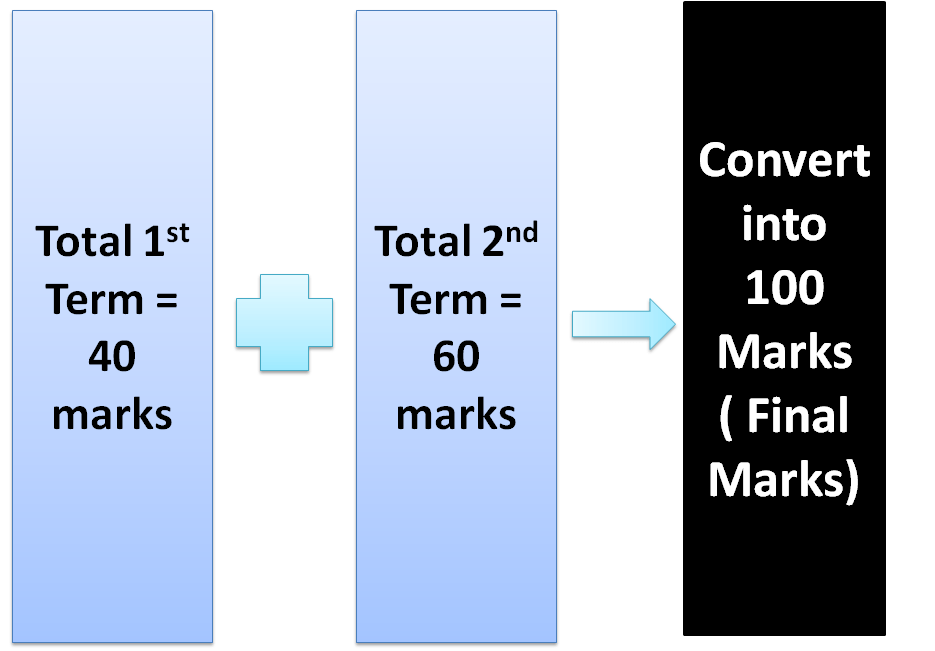
Above Information in Table Form ( उपरोक्त जानकारी तालिका के रूप में )

1.कक्षा 6 से कक्षा 8 तक को के पूरे सत्र को दो भागों में बांटा गया है और पहले आधे सत्र को प्रथम टर्म नाम दिया है तथा दूसरे आधे सत्र को द्वितीय टर्म का नाम दिया है। इन्हें हम प्रथम सेमेस्टर व द्वितीय सेमेस्टर भी कह सकते हैं।
1.The entire session from class 6 to class 8 is divided into two parts and the first half of the session is named as first term and the second half session is named as second term. We can also call them as first semester and second semester.
प्रथम टर्म First Term / First Semester
2.प्रथम टर्म में तीन परीक्षाएं होगी जिनका नाम है- आवधिक लिखित परीक्षा प्रथम ( PWT 1st ) 40 अंकों की तथा सावधिक लिखित परीक्षा द्वितीय (PWT 2nd) 40 अंकों की अर्धवार्षिक परीक्षा 80 अंकों की होगी ।
2.There will be three examinations in the first term, namely Periodic Written Test First (PWT 1st) of 40 marks and Periodic Written Examination Second (PWT 2nd) of 40 marks Half Yearly Examination will be of 80 marks.
3.पहली और दूसरी आवधिक लिखित परीक्षा (i+ii) के कुल (40+40) 80 अंकों को 20 अंकों के वेटेज / अंक भार में बदल दिया जाएगा I जबकि अर्धवार्षिक अंकों के 80 अंकों को 50 अंकों में परिवर्तित किया जायेगा I
3.Total (40+40) 80 marks of 1st and 2nd periodical written test will be converted into 20 marks weightage. Whereas 80 marks of half yearly marks will be converted into 50 marks.
4.अब प्रथम टर्म के सभी अंक जोड़े जाएंगे जिनमें आवधिक लिखित परीक्षा प्रथम व आवधिक लिखित परीक्षा द्वितीय के सम्मिलित रूप से 20 अंक का अंक भार तथा अर्धवार्षिक परीक्षा के 50 अंक का अंक भार तथा 10 अंकों का पोर्टफोलियो, 10 अंकों की विषय संवर्धन गतिविधियां तथा 10 अंकों के बहू-आकलन है ।
ये कुल मिलाकर 100 अंक बनते है जिन्हें फिर से 40 अंकों मे बदल दिया जाएगा ।
यानी प्रथम टर्म के प्राप्तांक 40 अंकों मे से होंगे ।
4.Now all the marks of the first term will be added, in which the periodic written examination I and the periodic written examination II, together with the marks weighting of 20 marks and the half yearly examination, the marks weighting of 50 marks and the portfolio of 10 marks, the subject enrichment activities of 10 marks And there is a multiple-assessment of 10 marks.
Altogether this makes 100 marks which will again be converted into 40 marks.
That is, the marks of the first term will be out of 40 marks.
द्वितीय टर्म
5 इसी प्रकार से आधा वर्ष बीत जाने के पश्चात अर्थात अर्धवार्षिक परीक्षा के बाद द्वितीय टर्म अर्थात द्वितीय सेमेस्टर शुरू होगा, जिसमें आपकों प्राथम टर्म की तरह ही तीन परीक्षाएं होंगी जो कि इस प्रकार हैं- आवधिक लिखित परीक्षा तृतीय आवधिक लिखित परीक्षा चतुर्थ तथा वार्षिक परीक्षा ।
5.In which you will have three examinations as in the first term, which are as follows- Periodic Written Examination, Third Periodic Written Examination, Fourth and Annual Examination.
6.आवधिक लिखित परीक्षा तृतीय तथा आवधिक लिखित परीक्षा चतुर्थ 40-40 अंकों की होगी व अर्धवार्षिक परीक्षा 80 अंकों की होगी । प्रथम टर्म की भांति ही आवधिक लिखित परीक्षाओं के कुल 80 अंकों को 20 अंकों के अंक भर में बदल दिया जाएगा तथा वार्षिक परीक्षा के 80 अंकों को 50 अंकों के अंक भर में बदल दिया जाएगा।
6. Periodic written examination third and periodic written examination IV will be of 40-40 marks and half yearly examination will be of 80 marks. Like in the first term, a total of 80 marks in the periodic written examinations will be converted into 20 marks and 80 marks in the annual examination will be converted into 50 marks.
7 प्रथम टर्म की भांति द्वितीय टर्म मे भी आवधिक लिखित परीक्षा के 20 अंक भार तथा वार्षिक परीक्षा के 50 अंक भार को पोर्टफोलियो के 10 अंक, 10 अंकों की विषय संवर्धन गतिविधियां तथा 10 अंकों के बहू-आकलन को जोड़कर 100 अंक बना लिए जाएंगे परंतु इस बार 100 अंकों को 60 अंकों के अंक भार मे बदल दिया जाएगा ।
7. Like in the first term, in the second term also, the 20 marks weightage of periodic written examination and 50 marks weightage of annual examination will be made 100 marks by adding 10 marks for portfolio, 10 marks subject enrichment activities and 10 marks multiple assessment. This time 100 marks will be converted into a mark weight of 60 marks.
सम्पूर्ण वर्ष / सत्र का परिक्षा परिणाम Final Result of whole Session in ending of session / academic year
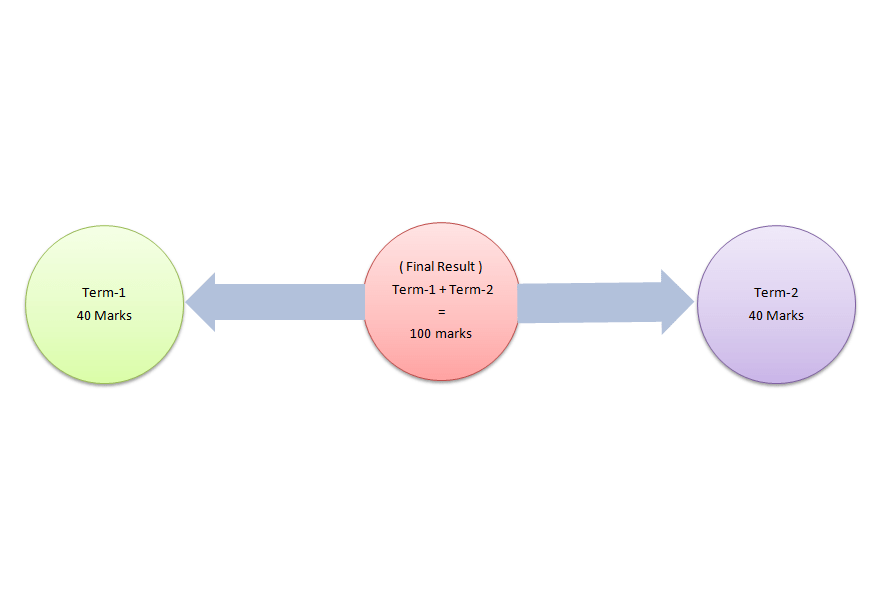
8.किसी भी विषय का अंतिम परिक्षा परिणाम प्रथम टर्म के 40 अंक भार व द्वितीय टर्म के 60 अंक भार जोड़ जाएगा जो कि 100 अंक होता है । इस प्रकार से निकाले 100 अंक किसी भी एक विषय के पूरे वर्ष के अधिकतम प्राप्तांक होंगे ।
8.The final Exam result of any subject will add 40 marks weightage of first term and 60 marks weightage of second term which is 100 marks. In this way, 100 marks will be the maximum score for the whole year in any one subject.
9 अन्य सभी विषयो का भी अंतिम परिक्षा परिणाम भी इसी विधि से बनाया जाएगा ।
9.The final result of all other subjects will also be prepared by this method.
PART- (B)
Scheme of Question paper [ For Class 6 to 12 ] for Periodic written test (PWT) in Class 6 to class 10 and Unit Test in class 11 and Class 12 is given below in which types and marks of questions are given below. प्रश्न पत्र की योजना [कक्षा 6 से 12 के लिए] कक्षा (6) से (10) में आवधिक लिखित परीक्षा और कक्षा ११ और कक्षा १२ में इकाई परीक्षा के लिए प्रश्न पत्र की योजना नीचे दी गई है जिसमें प्रश्नों के प्रकार और प्रश्नों के अंक नीचे दिए गए हैं।
Jawahar Navodaya Vidyalaya,………..,Dist…………(State) 2021-22
Question Paper PWT-1/2/3/4
Class:- 6/7/8/9/10/11/12 Duration:-1.5 Hrs
Subject:- ALL Maximum Marks-40
Q 1. Competency Based Question (CCT):-This can be case / source / situation / figure/ data interpretation / story based MCQs (Very short answer questions.) Read the passage and give the answer of following questions. ( 5 Marks )प्रश्न 1. योग्यता आधारित प्रश्न (सीसीटी):- यह मामला/स्रोत/स्थिति/आकृति/डेटा व्याख्या/कहानी आधारित एमसीक्यू (बहुत छोटे उत्तर वाले प्रश्न) हो सकते हैं। (5 अंक)
Q A ………………………………………………………………………………………..…….. 1 Mark
Q B ………………………………………………………………………………………..…….. 1 Mark
Q C ………………………………………………………………………………………..…….. 1 Mark
Q D ………………………………………………………………………………………..…….. 1 Mark
Q E ………………………………………………………………………………………..…….. 1 Mark
Q 2. Competency Based Question (CCT):-This can be case / source / situation / figure/ data interpretation / story based MCQs (Very short answer questions.) Read the passage and give the answer of following questions. ( 5 Marks ) प्रश्न 2. योग्यता आधारित प्रश्न (सीसीटी):- यह मामला/स्रोत/स्थिति/आकृति/डेटा व्याख्या/कहानी आधारित एमसीक्यू (बहुत छोटे उत्तर वाले प्रश्न) हो सकते हैं। (5 अंक)
Q A ………………………………………………………………………………………..…….. 1 Mark
Q B ………………………………………………………………………………………..…….. 1 Mark
Q C ………………………………………………………………………………………..…….. 1 Mark
Q D ………………………………………………………………………………………..…….. 1 Mark
Q E ………………………………………………………………………………………..…….. 1 Mark
Q 3. Competency Based Question (CCT):-This can be case / source / situation / figure/ data interpretation / story based MCQs (Very short answer questions.) Read the passage and give the answer of following questions. ( 5 Marks ) प्रश्न 3. योग्यता आधारित प्रश्न (सीसीटी):- यह मामला/स्रोत/स्थिति/आकृति/डेटा व्याख्या/कहानी आधारित एमसीक्यू (बहुत छोटे उत्तर वाले प्रश्न) हो सकते हैं। (5 अंक)
Q A ………………………………………………………………………………………..…….. 1 Mark
Q B ………………………………………………………………………………………..…….. 1 Mark
Q C ………………………………………………………………………………………..…….. 1 Mark
Q D ………………………………………………………………………………………..…….. 1 Mark
Q E ………………………………………………………………………………………..…….. 1 Mark
Q 4. Competency Based Question (CCT):-This can be case / source / situation / figure/ data interpretation / story based MCQs (Very short answer questions.) Read the passage and give the answer of following questions. ( 5 Marks ) प्रश्न 4. योग्यता आधारित प्रश्न (सीसीटी):- यह मामला/स्रोत/स्थिति/आकृति/डेटा व्याख्या/कहानी आधारित एमसीक्यू (बहुत छोटे उत्तर वाले प्रश्न) हो सकते हैं। (5 अंक)
Q A ………………………………………………………………………………………..…….. 1 Mark
Q B ………………………………………………………………………………………..…….. 1 Mark
Q C ………………………………………………………………………………………..…….. 1 Mark
Q D ………………………………………………………………………………………..…….. 1 Mark.
Q E ………………………………………………………………………………………..…….. 1 Mark
Q.5 Reasoning question from concern Subject ( Mental Ability & Logical Reasoning) संबंधित विषय से तर्क प्रश्न। (मानसिक क्षमता और तार्किक तर्क) 1 Mark
Q.6 Reasoning question from concern Subject ( Mental Ability & Logical Reasoning) संबंधित विषय से तर्क प्रश्न। (मानसिक क्षमता और तार्किक तर्क) 1 Mark
Q.7 Reasoning question from concern Subject ( Mental Ability & Logical Reasoning) संबंधित विषय से तर्क प्रश्न। (मानसिक क्षमता और तार्किक तर्क) 1 Mark
Q.8 Reasoning question from concern Subject ( Mental Ability & Logical Reasoning) संबंधित विषय से तर्क प्रश्न। (मानसिक क्षमता और तार्किक तर्क) 1 Mark
Q.9 Short Answer Question लघुतरत्माक प्रश्न 2 अंक 2 Marks
Q.10 Short Answer Question लघुतरत्माक प्रश्न 2 अंक 2 Marks
Q.11 Short Answer Question लघुतरत्माक प्रश्न 2 अंक 2 Marks
Q.12 Short Answer Question लघुतरत्माक प्रश्न 2 अंक 2 Marks
Q.13 Short Answer Question लघुतरत्माक प्रश्न 2 अंक 2 Marks
Q.14 Short Answer Question लघुतरत्माक प्रश्न 2 अंक 2 Marks
Q.15 Long Answer Question दीर्घ उत्तरीय प्रश्न /निबंधात्माक प्रश्न 4 Marks
NOTE ( For Teachers) :-By exposing the students to different types and formats of questions in periodic assessments and examinations, it should be ensured that students must acquire the skills of critical thinking, problem solving, analyzing in formation, collaboration, effective communication, developing curiosity and imagination as part of the learning process. आवधिक मूल्यांकन और परीक्षाओं में छात्रों को विभिन्न प्रकार और प्रश्नों के प्रारूपों से अवगत कराते हुए, यह सुनिश्चित किया जाना चाहिए कि सीखने की प्रक्रिया मैं छात्रों को महत्वपूर्ण सोच, समस्या समाधान, गठन में विश्लेषण, सहयोग, प्रभावी संचार, जिज्ञासा और कल्पना को विकसित करने के कौशल को प्राप्त करना चाहिए। ।
PART (C) :- Details of Regular Activities in both Terms / Semester (अर्ध सत्र / सेमेस्टर दोनों में नियमित गतिविधियों का विवरण)
For class 6 to class 8 :-
• Multiple Assessment (10 Marks):- Strategies to be used includes; quizzes, oral test, concept map, exit cards, visual expression etc.
• बहु आकलन (10 अंक):- उपयोग की जाने वाली रणनीतियों में प्रश्नोत्तरी, मौखिक परीक्षण, अवधारणा मानचित्र, निकास कार्ड, दृश्य अभिव्यक्ति आदि शामिल हैं।
• Portfolio -(10 Marks):- It covers Class work plus peer assessment, self-assessment,
achievements of student in the subject, reflections, survey report, etc.
• पोर्टफोलियो -(10 अंक):- इसमें कक्षा कार्य और समकक्ष मूल्यांकन, स्व-मूल्यांकन,
विषय में छात्र की उपलब्धियां, प्रतिबिंब, सर्वेक्षण रिपोर्ट, आदि।
• Subject Enrichment Activities-( 10 marks) ( will be assessed in the end of EACH TERM):– These are subject-specific activities aimed at enhancing the understanding and skills of the students. These activities are to be carried out throughout the term as per details given below (1)Languages:- Aimed at equipping the learners to develop effective listening and speaking skills. The language teachers may devise their own methods and parameters for assessment of the languages. (2) Mathematics:- For the activities in Mathematics, refer to activity books of NCERT and Handbook on Teacher Energized Resource Material released by CBSE for different classes.
(3) Science:- Practical work and activities in Science may be undertaken as suggested by the NCERT Syllabus and Handbook on Teacher Energized Resource Material released by CBSE for different classes.
(4) Social Science:- Project work may be undertaken as suggested by the Teacher Energize Text Book of CBSE.
B. Co-Scholastic Area: The existing practice of evaluating Co-Scholastic are will be followed.
• विषय संवर्धन गतिविधियां- (10 अंक) (प्रत्येक अवधि /Term के अंत में मूल्यांकन किया जाएगा ) :- ये विषय-विशिष्ट हैं छात्रों की समझ और कौशल को बढ़ाने के उद्देश्य से गतिविधियाँ। इन गतिविधियों को नीचे दिए गए विवरण के अनुसार पूरे कार्यकाल में किया जाना है:
(1) भाषाएँ:- प्रभावी सुनने और बोलने के कौशल को विकसित करने के लिए शिक्षार्थियों को लैस करने के उद्देश्य से। भाषा शिक्षक भाषाओं के मूल्यांकन के लिए अपने तरीके और पैरामीटर तैयार कर सकते हैं।
(2) गणित:- गणित में गतिविधियों के लिए, विभिन्न कक्षाओं के लिए सीबीएसई द्वारा जारी शिक्षक सक्रिय संसाधन सामग्री पर एनसीईआरटी की गतिविधि पुस्तकों और हैंडबुक का संदर्भ लें।
(3) विज्ञान:- विज्ञान में प्रयोगिक कार्य और गतिविधियाँ एनसीईआरटी पाठ्यक्रम और सीबीएसई द्वारा विभिन्न कक्षाओं के लिए जारी शिक्षक सक्रिय संसाधन सामग्री पर हैंडबुक के सुझाव के अनुसार की जा सकती हैं।
(4) सामाजिक विज्ञान:- सीबीएसई की टीचर एनर्जाइज़ टेक्स्ट बुक के सुझाव के अनुसार प्रोजेक्ट वर्क किया जा सकता है।
सह-शैक्षिक क्षेत्र: सह-शैक्षिक मूल्यांकन की मौजूदा प्रणाली / प्रथा का पालन किया जाएगा।
.
Part (D ) Another view of examination scheme below ( Class 6 to 8)




Thanks
LikeLike
Excellent and it is highly recommended
LikeLiked by 1 person