
Class 6 Science Chapter 3 Fibre to Fabric, NCERT Question-Answer
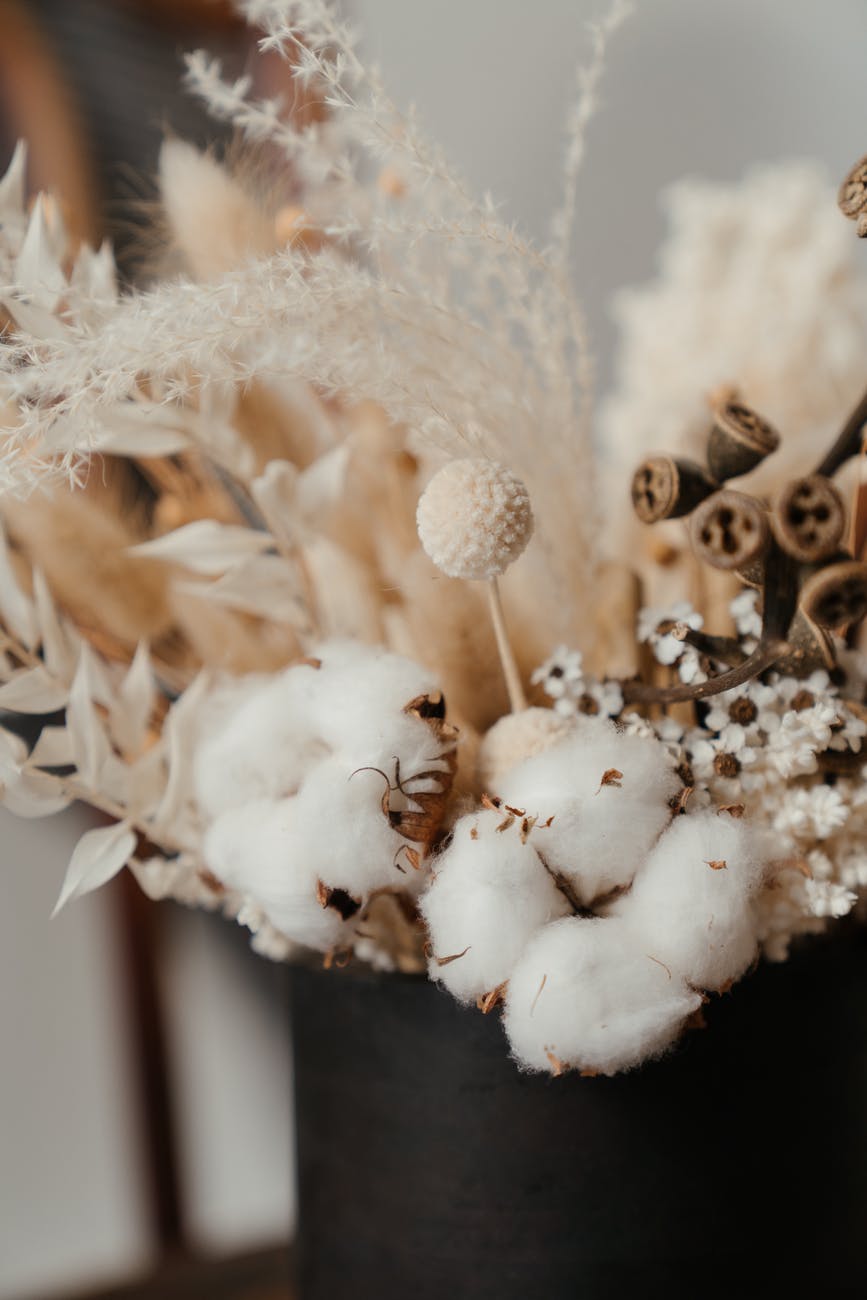

कपास एक प्राकृतिक रेशा है जो कपास के पौधे से प्राप्त होता है। सूती कपड़े सूती रेशों से बनते हैं।
Cotton is a natural fibre which is obtained from ctton plant. Cotton clothes are made up from cotton fibres.
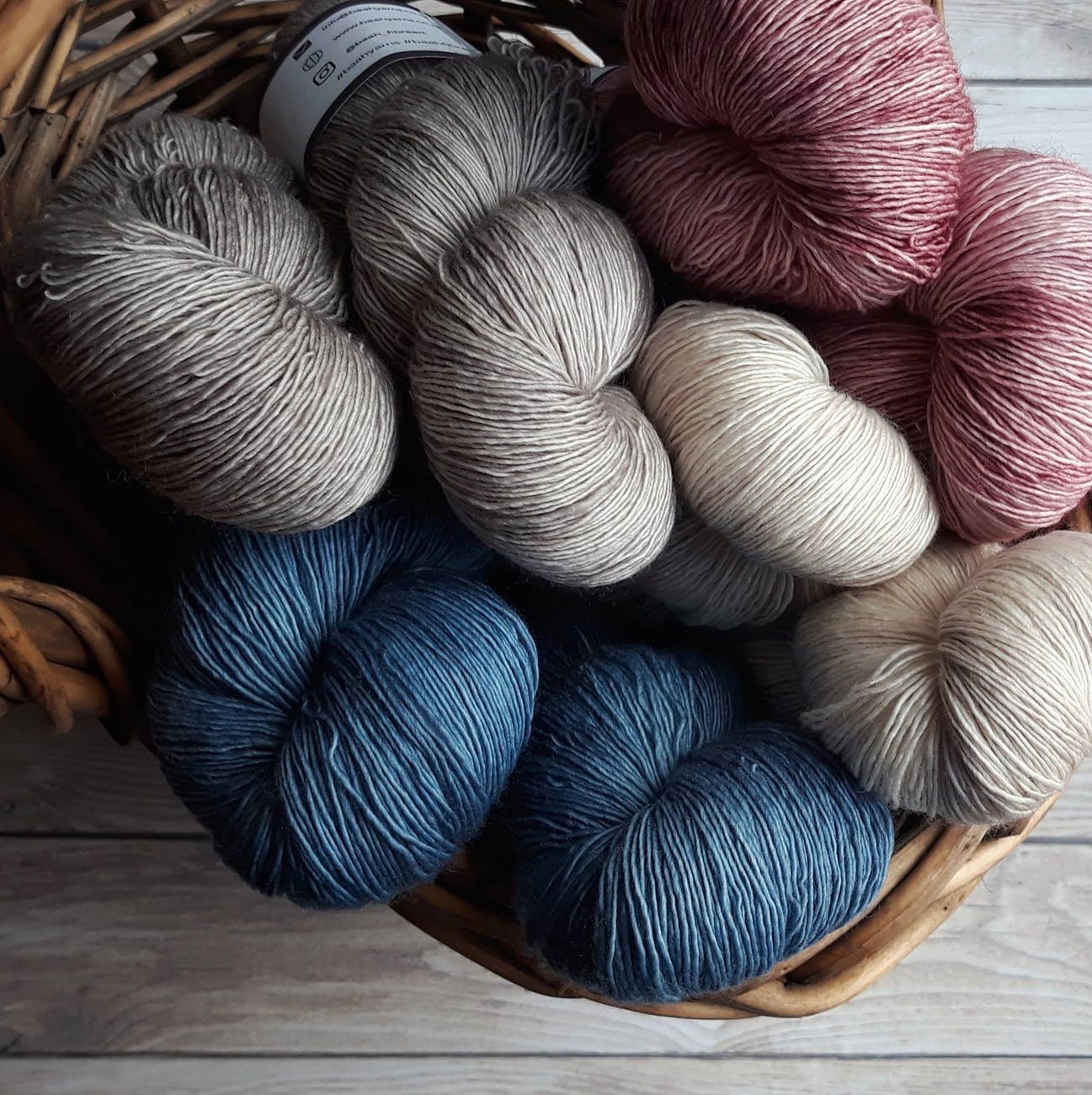
ऊन एक प्राकृतिक रेशा है जो भेड़ से प्राप्त होता है जो एक जानवर है। ऊनी कपड़े ऊनी रेशों से बनते हैं।
Wool is a natural fibre which is obtained from sheep which is an animal. Woolen clothes are made up from woolen fibres.
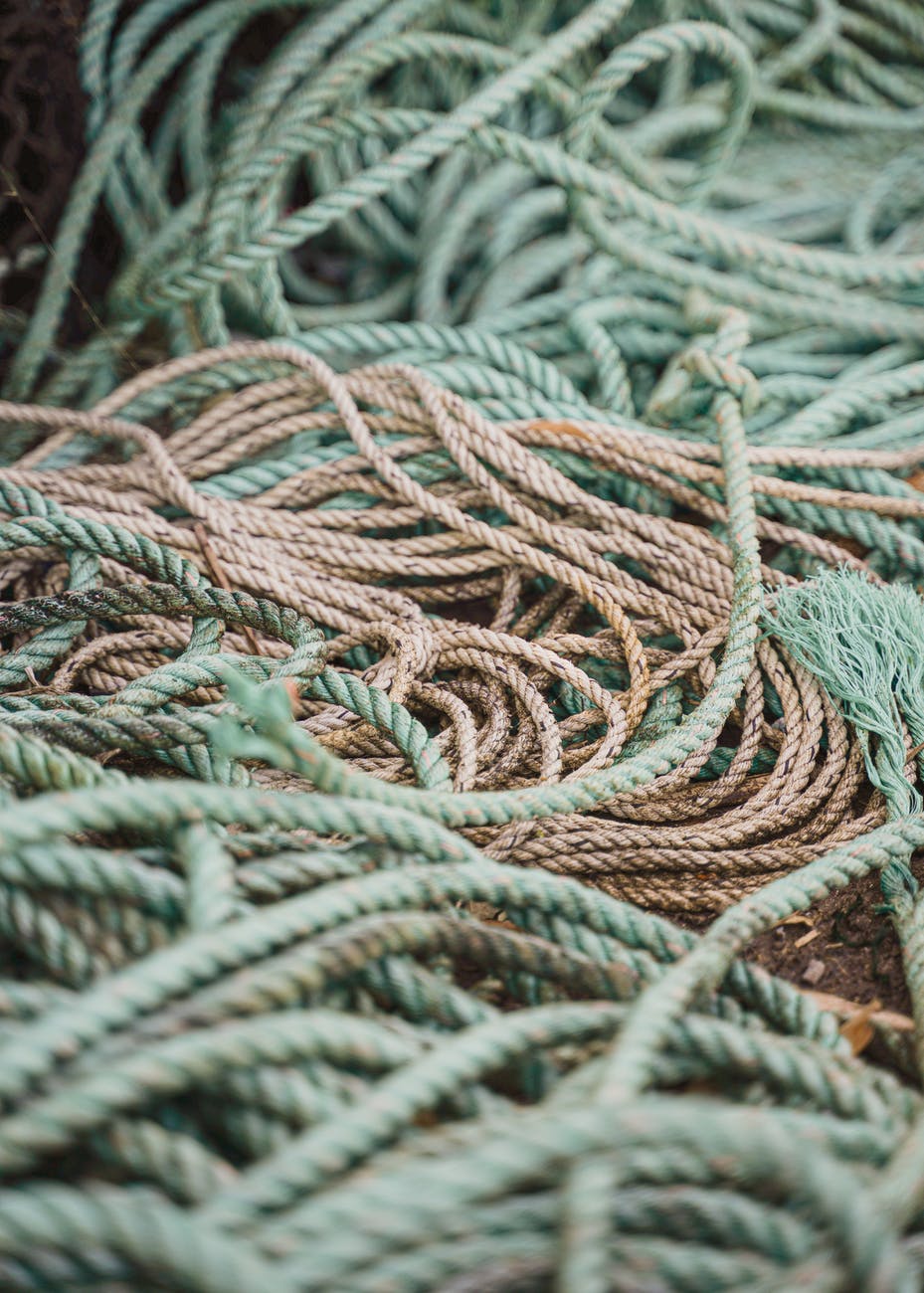
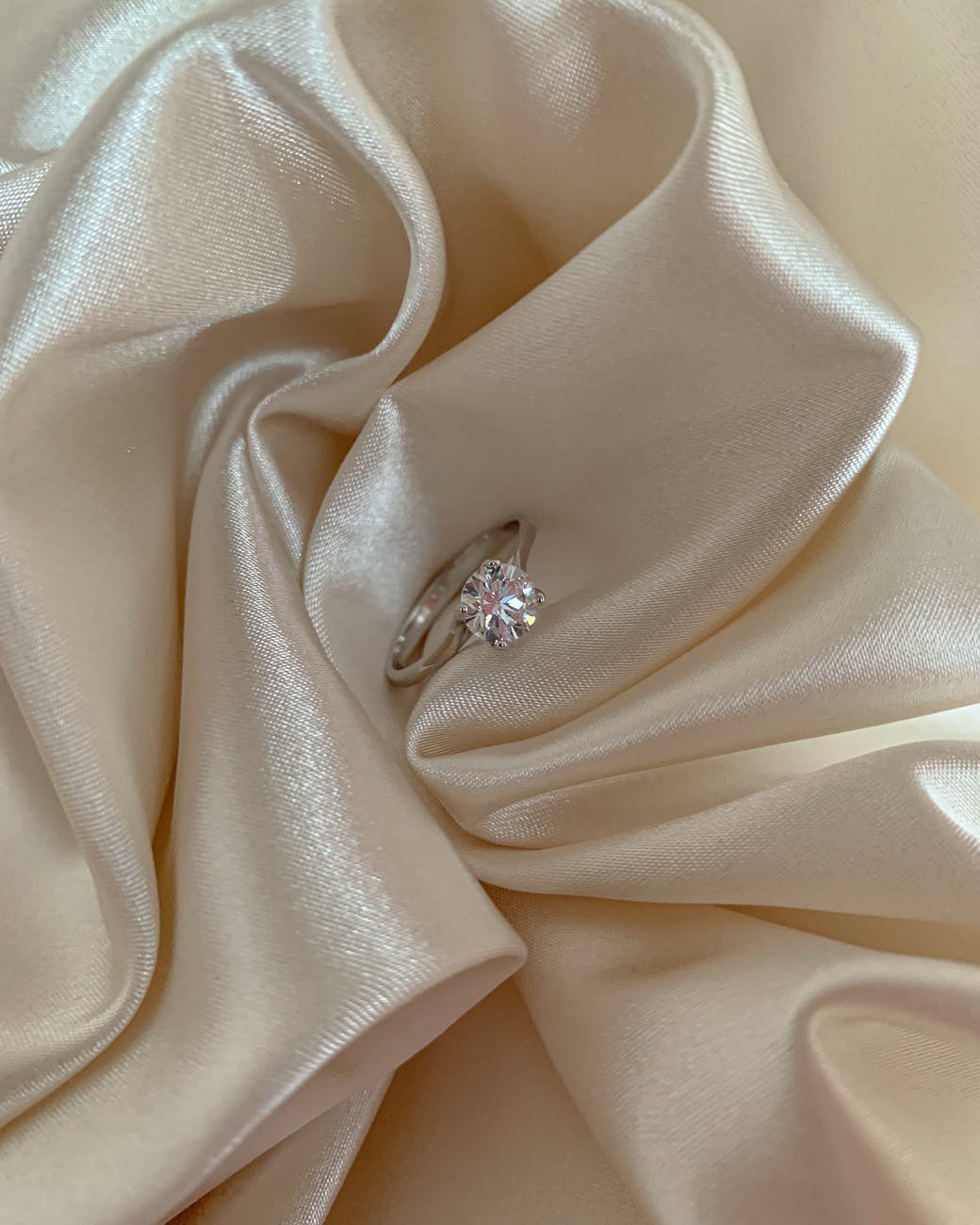
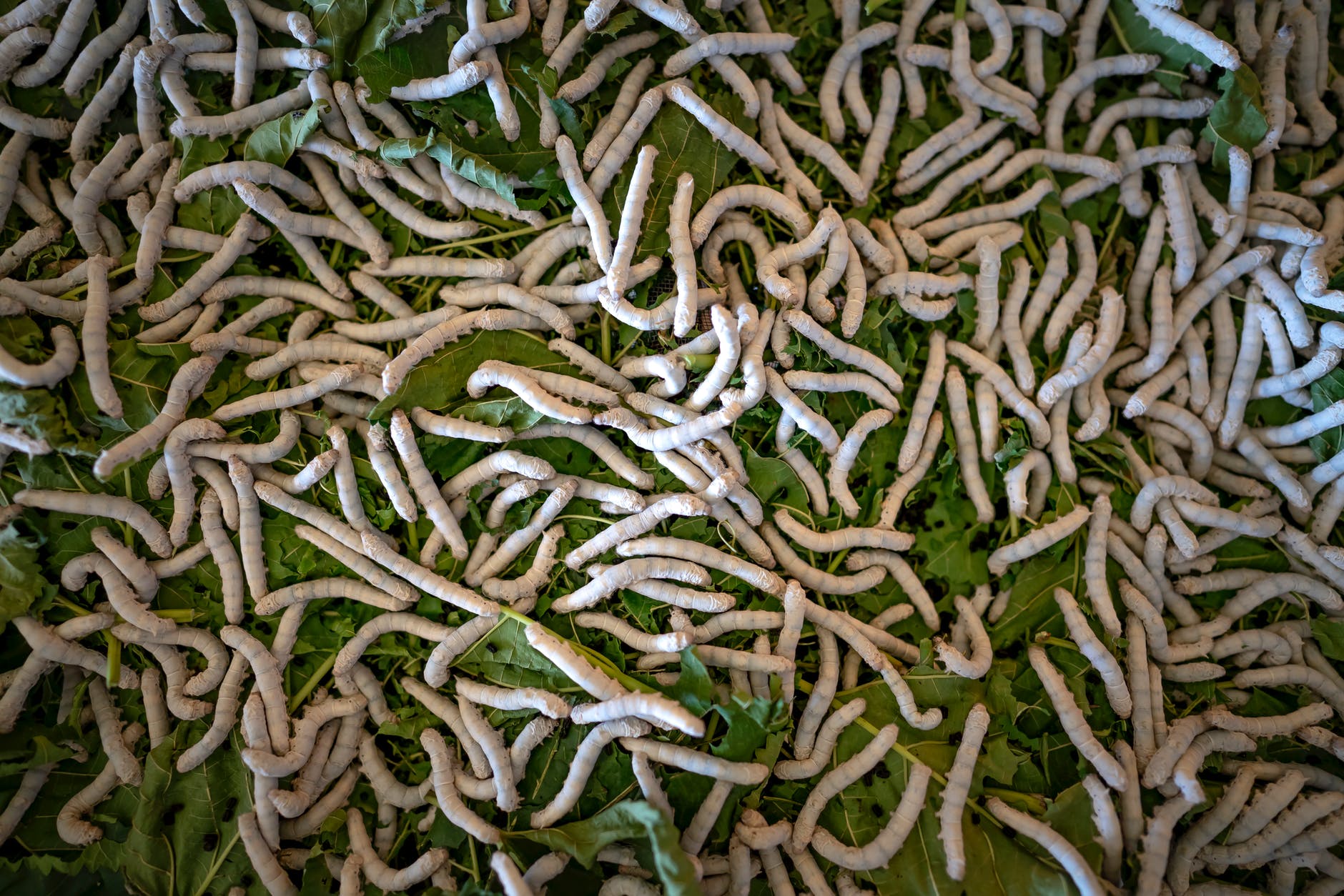
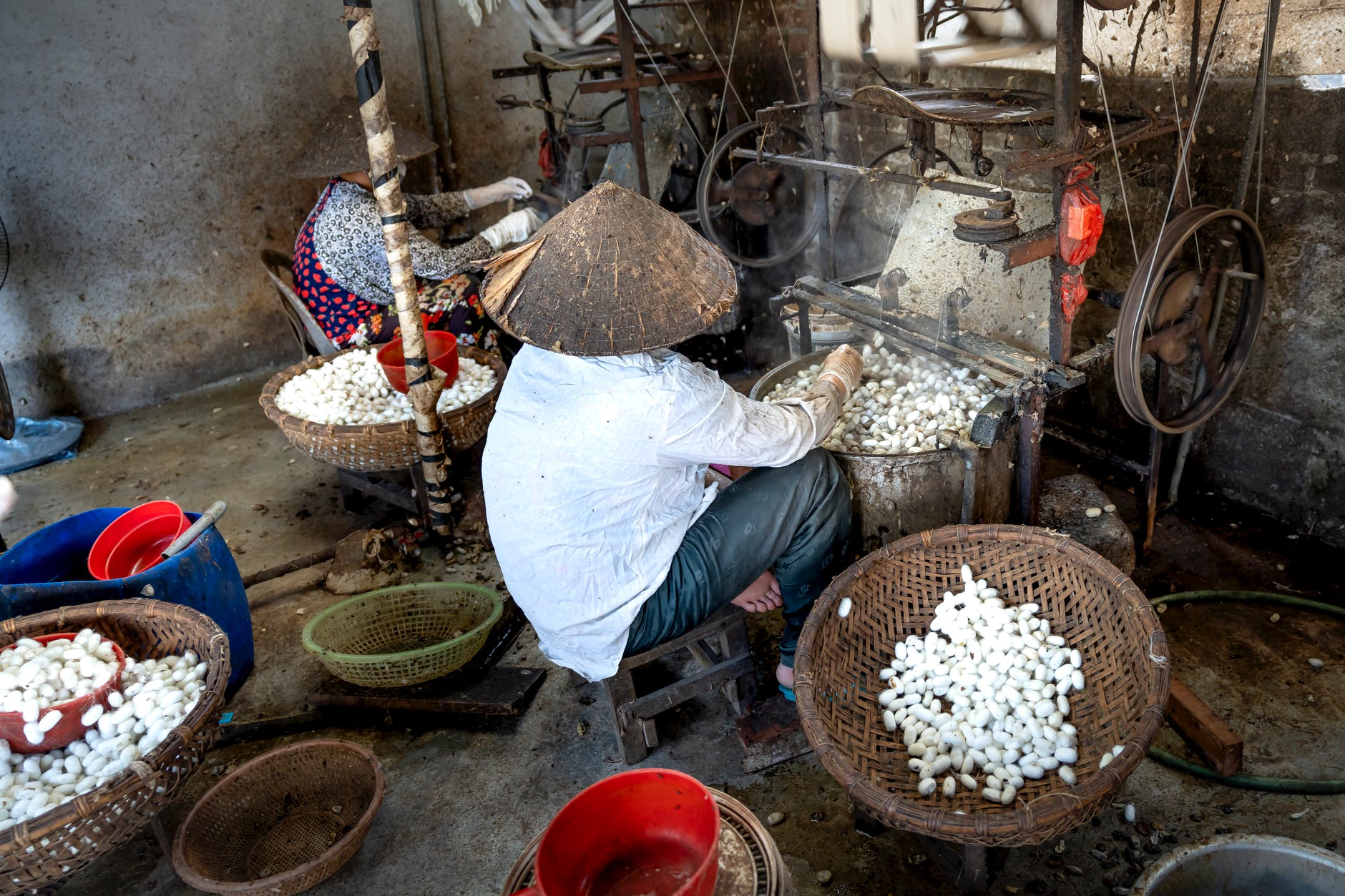
जूट एक प्राकृतिक पादप रेशा है, जूट, जूट के पौधों से प्राप्त किया जाता है। जूट के पौधे का तना पानी में डूब जाता है जिससे जूट का धागा बनता है। Jute is a natural plant fibre, Jute is obtained from jute plants. Stem of jute plant is drowned in water which produces jute thread.
रेशम एक प्राकृतिक पशु रेशा है। Silk is a natural animal fibre.



पॉलीस्टर एक सिंथेटिक फाइबर है जिसे कारखाने में रसायनों के माध्यम से तैयार किया जाता है।
Polyster is a synthetic fibre which is prepared in factory through chemicals.
प्रश्न 1. निम्नलिखित रेशों को प्राकृतिक या सिंथेटिक के रूप में वर्गीकृत करें: –
नायलॉन, ऊन, कपास, रेशम, पॉलिएस्टर, जूट।
उत्तर:- प्राकृतिक रेशे: ऊन, कपास, जूट, रेशम।
सिंथेटिक फाइबर: नायलॉन, पॉलिएस्टर।
Q.1. Classify the following fibres as natural or synthetic: nylon, wool, cotton, silk, polyester, jute.
Answer:- Natural fibres:- wool, cotton, jute, silk.
Synthetic fibres:- nylon, polyester.
प्रश्न 2. बताएं कि निम्नलिखित कथन ‘सत्य’ हैं या गलत’:-
(क) धागा रेशों से बनता है।
(बी) कताई फाइबर बनाने की एक प्रक्रिया है।
(c) जूट नारियल का बाहरी आवरण है।
(d) कपास से बीज निकालने की प्रक्रिया को ओटाई कहते हैं।
(घ) धागे की बुनाई से कपड़े का एक टुकड़ा बनता है।
(e) रेशमी रेशे पौधे के तने से प्राप्त होते हैं।
(छ) पॉलिएस्टर एक प्राकृतिक रेशा है।
उत्तर–
(ए ) सच्चा
(बी) झूठा
(सी) झूठा
(डी) सच
(ई) सच
(च) झूठा
(छ) झूठा
Q.2. State whether the following statements are ‘true’ or false’:
(a) Yam is made from fibres.
(b) Spinning is a process of making fibres.
(c) Jute is the outer covering of coconut.
(d) The process of removing seeds from cotton is called ginning.
(d) Weaving of yarn makes a piece of fabric.
(e) Silk fibre is obtained from the stem of a plant.
(g) Polyester is a natural fibre.
Answer-
(a) True
(b) False
(c) False
(d) True
(e) True
(f) False
(g) False
प्रश्न 3. रिक्त स्थान भरें:–
(ए) पौधे के रेशे_______ और _______ से प्राप्त होते हैं।
(बी) पशु फाइबर _____और _______हैं।
उत्तर:-
(ए) कपास के पौधे, जूट के पौधे
(बी) ऊन, रेशम
Q.3. Fill in the blanks:
(a) Plant fibres are obtained from____________ and___________ .
(b) Animal fibres are___________ and___________
Answer:-
(a) cotton plants, jute plants
(b) wool, silk
Q. 4. कपास और जूट पौधे के किस भाग से प्राप्त होते हैं?
उत्तर:-
(i) कपास – कपास के बीज (कपास के बीज की सतह से) (फल)
(ii) जूट – तना
प्रश्न 5. नारियल के रेशे से बनने वाली दो वस्तुओं के नाम लिखिए।
उत्तर:-
(i) रस्सियाँ
(ii) मत्स
प्रश्न 6. रेशे से धागा बनाने की प्रक्रिया समझाइए।
उत्तर:- धागे पतले धागों से बने होते हैं जिन्हें रेशे कहते हैं। रेशों से सूत बनाने की प्रक्रिया को कताई कहते हैं। इस प्रक्रिया में, रूई का एक भाग लियाजाता है और मरोड़ा जाता है, रेशों को आपस में जोड़कर सूत बनाता है।
Q. 4. From which part of the plant cotton and jute are obtained?
Answer:-
(i) Cotton – Cotton bolls (from the surface of cotton seeds) (fruit)
(ii) Jute – Stem
Q.5. Name two items that are made from coconut fibre.
Answer:-
(i) Ropes
(ii) Mats
Q.6. Explain the process of making yarn from fibre.
Answer:- Yarns are made up of thin strands called fibres. The process of making yarn from fibres is called spinning. In this process, a mass of cotton wool are drawn out and twisted. This brings the fibres together to form yarn.
 CHEMIGOD