Biomolecules (XII Std)-Important and conceptual Questions

Answer are given in the end–

Questions useful in Board Examination.

1.What is basic unit of carbohydrates?

2.What is basic unit of protein or polypeptide?

3.What is the non reducing sugar and what is cause of it?

4.What do you mean primary structure of protein ?

5. What do you mean secondary structure of protein ?

6.What do you mean tertiary structure of protein ?

7.What is native structure of protein?

8.What is zwitter ion.

9.Which vitamins are fat soluble?

10.What is importance of primary structure of protein?

Answers-

1.Glycosidic Linkages

2.Peptide bond

3.The sugar which reduces Tollen,s reagents or Fehling,s solution is called reducing sugar. It is because their carbonyl functions are not free.

4.The specific sequence of amino acid in protein is called primary structure of protein.

5.Alpha halix or beta pleated sheet are secondary structure of protein which is stabilized by hydrogen bonds. alpha helix is a helical structure whereas beta pleated sheet is formed by placing primary structure sidewise.

6.Tertiary structure of protein is formed by overlapping and folding of primary and secondary structure of over each other. Tertiary structure is stabilized by following bonds-
1) Hydrogen bond formed between -NH2 group and C=O group of different part of polypeptide chain.
2) Ionic bond formed between -NH3+ and COO groups of different part of polypeptide chain.
3) Disulphide bond -S-S- between different part of polypeptide chain.
4) Hydrophobic bond is not actual type of bond but it is a condition in which nonpolar hydrophobic chains moves inside the protein.

7. The original and active shape of protein at particular pH range and temperature range is called native state of Protein.

8.The bipolar ion of amino acid is called zwitter ion.

9.Vitamins A , D , E and K are fat soluble.

10.The change only in one amino acid in polypeptide chain changes property also. Example-In sickle cell anemia is an inherited disease which affect red blood cell and change it into sickle shaped. It is due to change in only one amino acid i.e. glutamic acid by valine in the polypeptide chain making hemoglobin.
Haloalkanes & Haloarenes (XII Std) Important Questions from stereochemistry

Answers are given in the end.

Questions useful in Board Examination.

1. What is chirality?

2.Which compounds are chiral ?

3.What do you mean chiral centre?

4.What are the stereoisomers ?

5.What are the diastereomers ?

6.What is racemic mixture?

7.What is racemization ?

8.What do you mean retention of configuration ?

9.What do you mean by inversion of configuration ?

10.Whats the different between SN1 and SN2 Reaction mechanism?

Answers-

1.Chirality is the property of non-superimposability of an object over its mirror image.

2.The compound having chiral / asymmetric carbon is chiral.

3.The carbon bonded with four different atoms/ functional group is called chiral centre.

4.Enantiomers are the isomers which are non superimposable mirror images.

5.The stereoisomers which are not mirror images of each othr are called diastereomer.

6.The equimolar mixture of enentiomers which is optically inactive is called racemic mixture.

7.The reaction in which either of enantiomer is changed into racemic mixture ( Product ).If reactant is dextro rotatory or leavo rotatory than product is equimolar mixture of dextro and leavo rotatory.

8.The reaction in which product have same optical properties as reactant. If reactant is dextro rotatory than product is also dextro rotatory.

9.The reaction in which the optical property of reactant is inverted. If reactant is dextro rotatory than product will be leavo rotatory.

10. Difference between SN1 and SN2 Reaction mechanism

Point of differenceSN1SN2
1.TypeUnimolecularBimolecular
2.Involvement of Transition StateNoYes
3.Involvement of carbocationYesNo
4.Configuration of product or processRacemic mixtureInversion of configuration

Coordination Compounds-IUPAC Names

There are three types of coordination compounds

A. Simple Cation and Complex anion. Example- K4 [Fe (CN)6]

B. Complex Cation and Simple anion. Example- [ Cr {NH3)6] Cl3

C. Complex Cation and Complex anion. Example- [ Cr {NH3)6] [Co (CN)6]

1. Always write the name of cation first and anion later

2.Naming of complex entity

Names of Ligands in alphabetical order + name of metal atom/ion (add ’ate’ if complex is anion) + (Oxidation Number in Roman Numerals)

EXAMPLES-

K4 [Fe (CN)6] Potassium hexacyanoferrate (II)

[ Cr {NH3)6] Cl3 Hexaminechromium (III) chloride

[ Cr {NH3)6] [Co (CN)6] Hexaminechromium(III) hexacyanidocobaltaate(III)

[ Cr (NH3)Br(ox) ]  Aminebromidooxalatochromium(III)

Travel of Three Years of CHEMIGOD

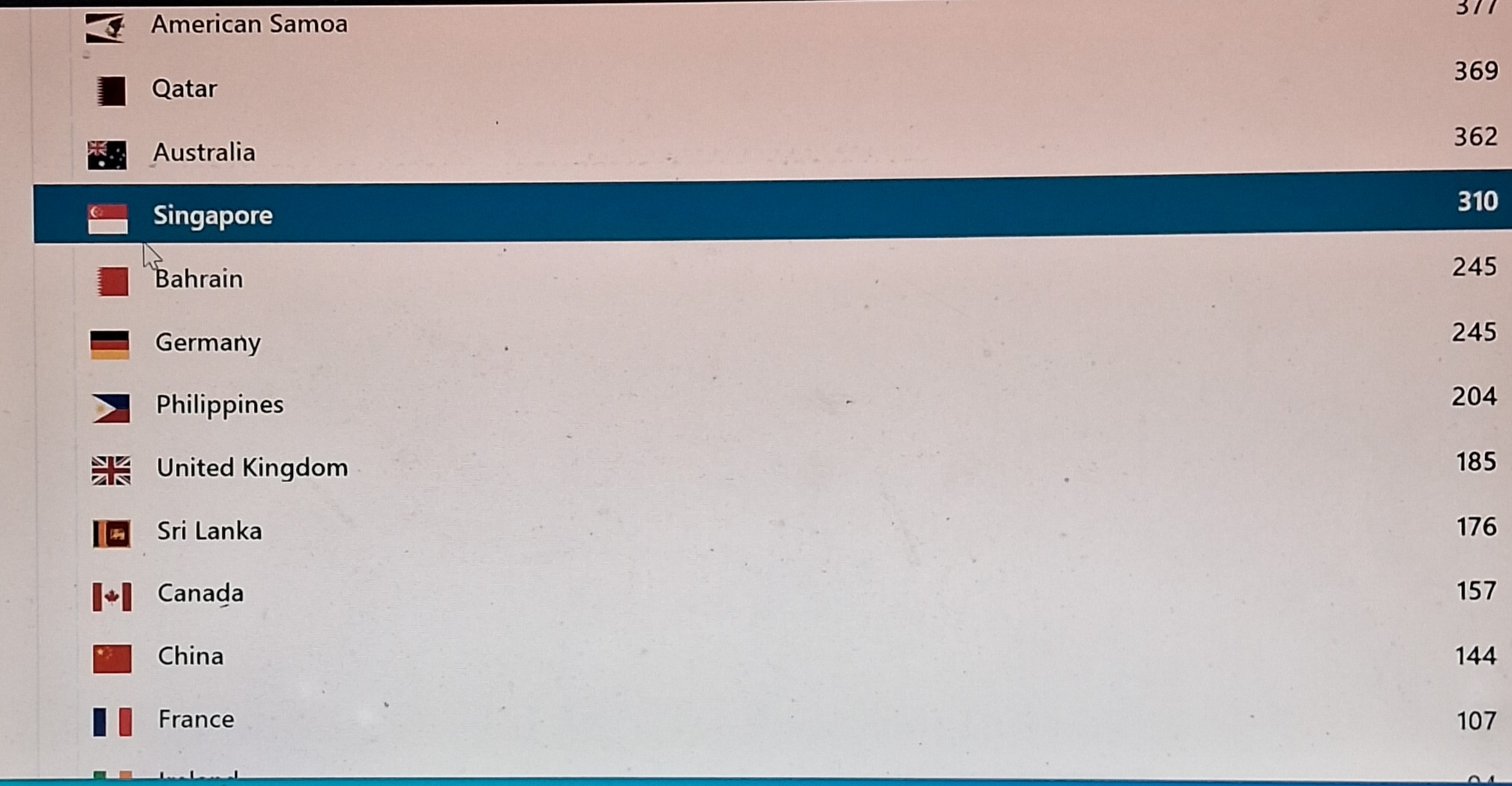
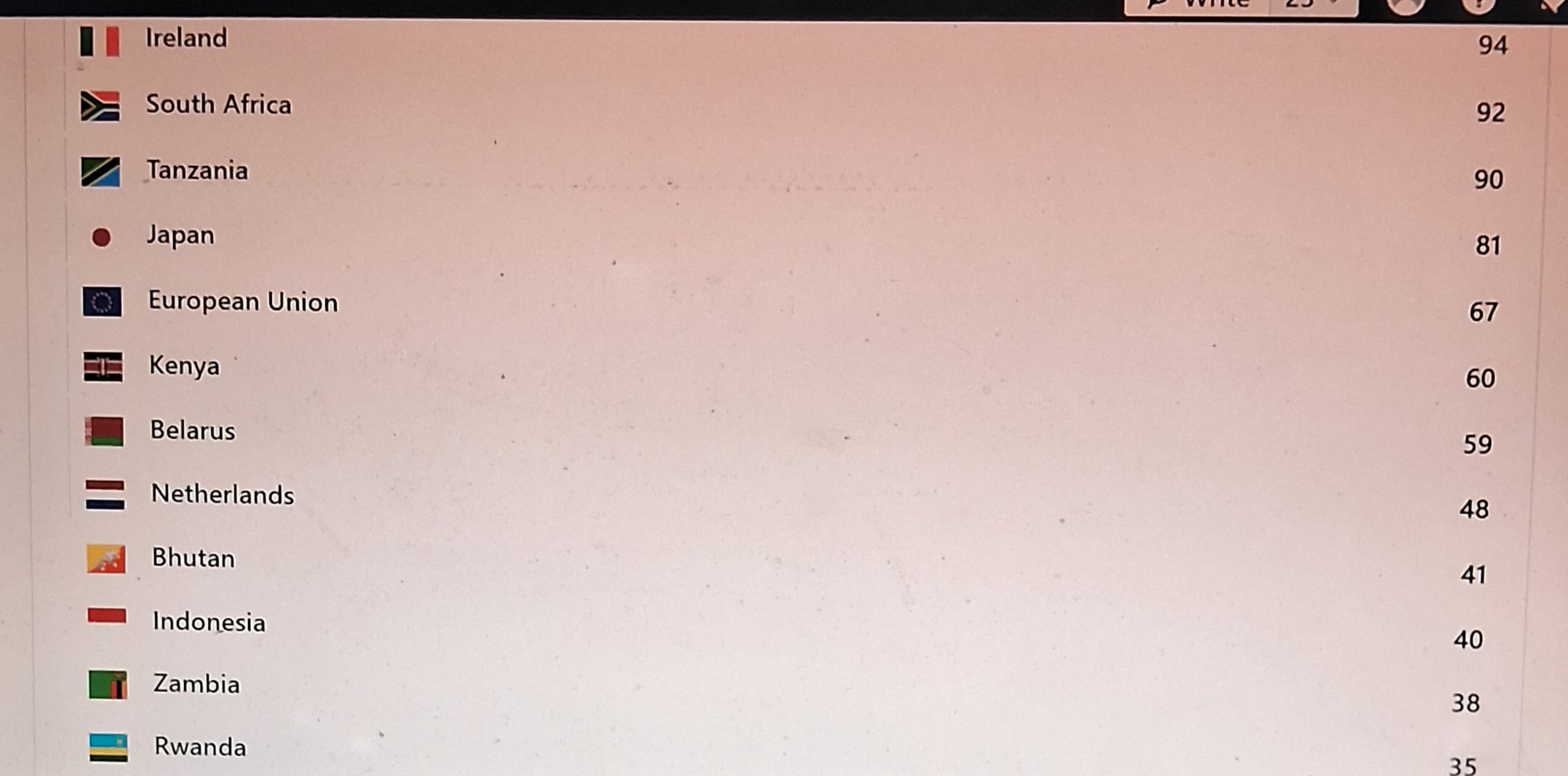
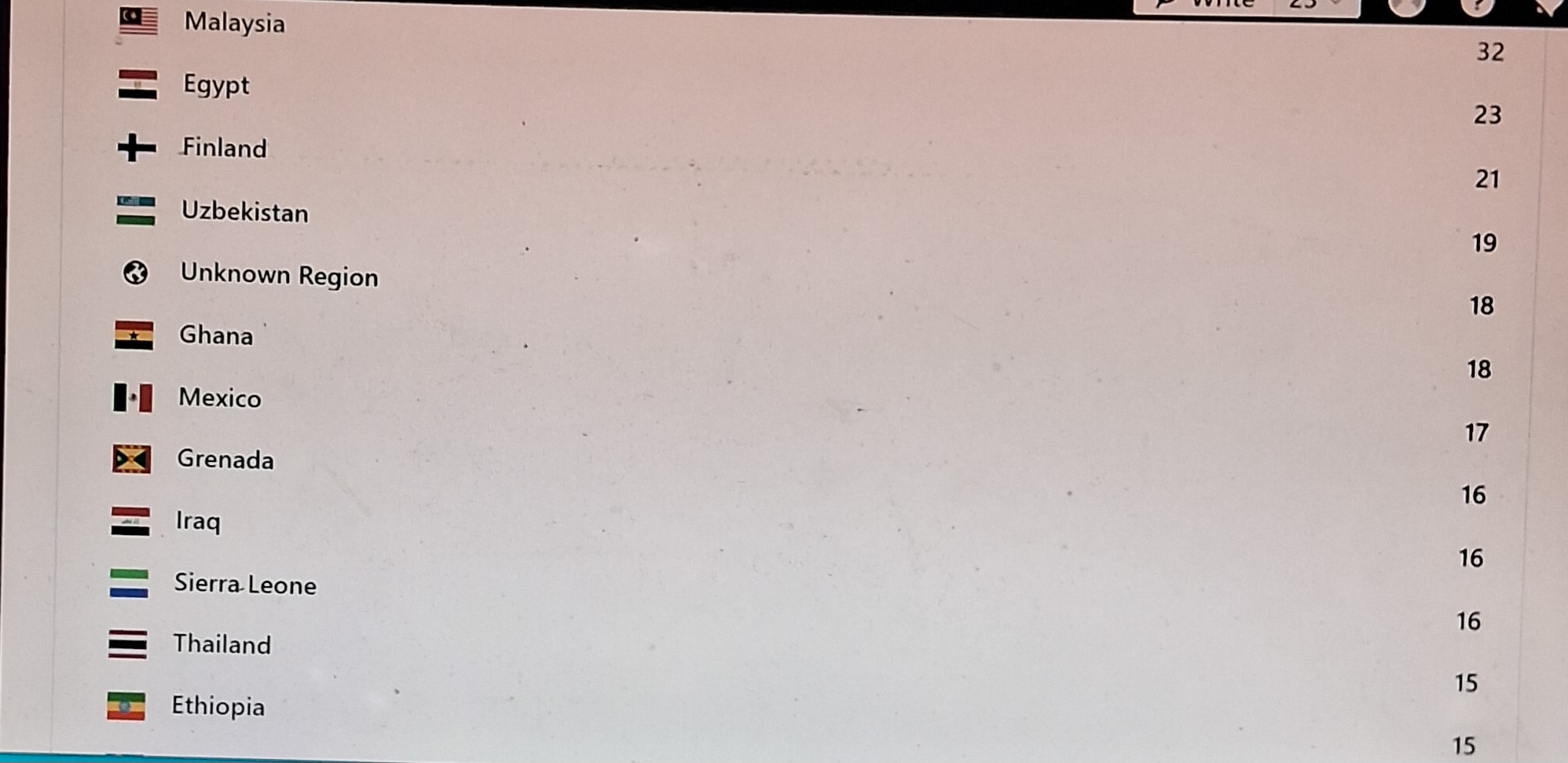
REACHED IN 126 Countries with about 6,55,000 hits in three years. Many many thanks for showing your faith which inspired myself to continue this website which is only one person act, not of team. Happy New Year (2024) in Advance. May Almighty give you Health, Prosperity, Love and affection, Spirituality, Generosity, Loving Family and True Friends, Fulfil long awaited Dreams.

1 India
2 Pakistan
3 Nepal
4 United Arab Emirates
5 United States
6 Oman
7 Saudi Arabia
8 Kuwait
9 Bangladesh
10 Nigeria
11 American Samoa
12 Qatar
13 Australia
14 Singapore
15 Bahrain
16 Germany
17 Philippines
18 United Kingdom
19 Sri Lanka
20 Canada
21 China
22 France
23 Ireland
24 South Africa
25 Tanzania
26 Japan
27 European Union
28 Kenya
29 Belarus
30 Netherlands
31 Bhutan
32 Indonesia
33 Zambia
34 Rwanda
35 Malaysia
36 Egypt
37 Finland
38 Uzbekistan
39 Unknown Region
40 Ghana
41 Mexico
42 Grenada
43 Iraq
44 Sierra Leone
45 Thailand
46 Ethiopia
47 Sweden
48 Poland
49 Uganda
50 Belgium
51 Fiji
52 Turkey
53 Vietnam
54 Colombia
55 Mauritius
56 Austria
57 Switzerland
58 Kyrgyzstan
59 Russia
60 Botswana
61 Spain
62 Taiwan
63 Angola
64 Myanmar (Burma)
65 Sudan
66 Cambodia
67 South Korea
68 Italy
69 Jamaica
70 Ecuador
71 Hungary
72 Trinidad & Tobago
73 Bulgaria
74 Namibia
75 Eritrea
76 Luxembourg
77 Portugal
78 Lebanon
79 Puerto Rico
80 Hong Kong SAR China
81 Kazakhstan
82 Zimbabwe
83 Afghanistan
84 Lesotho
85 Liberia
86 Czechia
87 Serbia
88 Brazil
89 Papua New Guinea
90 Ukraine
91 Malawi
92 Cyprus
93 Belize
94 Algeria
95 Norway
96 Antigua & Barbuda
97 Guyana
98 Iran
99 Libya
100 Bosnia & Herzegovina
101 Côte d’Ivoire
102 Cameroon
103 Yemen
104 Jordan
105 Mongolia
106 Croatia
107 Niger
108 Armenia
109 Gabon
110 Chile
111 New Zealand
112 Somalia
113 North Macedonia
114 Réunion
115 St. Lucia
116 Georgia
117 Romania
118 Solomon Islands
119 Moldova
120 Maldives
121 Gambia
122 Congo – Kinshasa
123 Israel
124 Seychelles
125 Greece
126 Palestinian Territories

Thanks all of you again to motivate to work again sincerely.