1.Aim / Objective:- Detection of Hydrogen Peroxide in different samples of Milk.
(1.उद्देश्य:- दूध के विभिन्न नमूनों में हाइड्रोजन पेरोक्साइड का पता लगाना)
2 Apparatus (उपकरण) :-
A. Test Tube,( ए. परखनली )
B. Dropper (ड्रॉपर)
3.Reagents (अभिकर्मक) :-
A. Potassium Iodide (पोटेशियम आयोडाइड)
B. Starch (बी.स्टार्च )
Preparation of reagents (अभिकर्मकों की तैयारी) :-
A Preparation of Solution of KI, (KI के घोल की तैयारी) :-
Weigh 20 g of potassium iodide and dissolve it in distilled water to obtain a 100 ml solution. २० ग्राम पोटैशियम आयोडाइड तोलें और आसुत जल में घोलकर १०० मिली विलयन प्राप्त करें I
B.Preparation of solution of starch स्टार्च का घोल बनाना:- :-
Take 1 g starch powder and make its paste in distilled water and than add it dropwise in boiling distilled water .1 ग्राम स्टार्च पाउडर लें और आसुत जल में इसका पेस्ट बनाएं और इसे उबलते आसुत जल में बूंद-बूंद करके डालें।
Boil it for 2-3minuts by heating and make up the volume to 100 ml. इसे 2-3 मिनट तक गर्म करके उबालें और इसकी मात्रा 100 मिलीलीटर कर लें।
Now mix equal volume of Potassium iodide solution and starch solution to make final reagent. (अब अंतिम अभिकर्मक बनाने के लिए पोटेशियम आयोडाइड के घोल और स्टार्च के घोल को बराबर मात्रा में मिलाएं।)
4.Theory सिद्धांत:-
Hydrogen Peroxide is a preservative, but according to PFA rule it is not permitted to be added in milk, Therefore, if it is found, then milk is said to be adulterated and can not be used for drinking and other purpose.हाइड्रोजन पेरोक्साइड एक परिरक्षक है, लेकिन पीएफए नियम के अनुसार इसे दूध में मिलाने की अनुमति नहीं है, इसलिए, यदि यह पाया जाता है, तो दूध को मिलावटी कहा जाता है और इसे पीने और अन्य उद्देश्यों के लिए उपयोग नहीं किया जा सकता है।
Appearance of blue color with reagent, indicates the presence of hydrogen peroxide in the milk sample whereas unadultrated milk sample remain colorless.अभिकर्मक के साथ नीले रंग का दिखना दूध के नमूने में हाइड्रोजन पेरोक्साइड की उपस्थिति को इंगित करता है जबकि बिना मिलावट वाला दूध का नमूना रंगहीन रहता है।
Limit of detection for this method is 0.004% (v/v) because Appearance of blue color in the adulterated milk samples occurs if concentration of H2O2 is clearly 0.004% (v/ v) and above.
इस विधि के लिए पता लगाने की सीमा 0.004% (v/v) है क्योंकि मिलावटी दूध के नमूनों में नीले रंग की उपस्थिति तब होती है जब H2O2 की सांद्रता स्पष्ट रूप से 0.004% (v/v) और अधिक हो।
5.Procedure प्रक्रिया:-
Take 1 ml of milk sample in a test tube and Add 1 ml of the potassium iodide-starch reagent into it and mix well. Observe the color of the solution in the tube.एक परखनली में 1 मिली दूध का नमूना लें और उसमें 1 मिली पोटैशियम आयोडाइड-स्टार्च अभिकर्मक डालें और अच्छी तरह मिलाएँ। ट्यूब में विलयन के रंग का निरीक्षण करें।
6.Observation Table अवलोकन तालिका :-
S.No. (क्रमांक)
Sample collected from (नमूना एकत्र किया गया)
Colour of sample with reagent (अभिकर्मक के साथ नमूने का रंग)
H2O2 present or not (H2O2 मौजूद है या नहीं)
1
Saras Dairy सरस डेयरी
Colourless or No colour ( रंगहीन या कोई रंग नहीं )
No नहीं
2
Local Dairy स्थानीय डेयरी
Colourless or No colour ( रंगहीन या कोई रंग नहीं )
No नहीं
3
Milk from Mr …. श्रीमान से …..दूध
Colourless or No colour ( रंगहीन या कोई रंग नहीं )
No नहीं
4
Milk from Mr …. श्रीमान से …..दूध
Blue colour appear ( नीला रंग दिखाई देता है )
Yes हाँ
5
Milk from Mr …. श्रीमान से …..दूध
Colourless or No colour ( रंगहीन या कोई रंग नहीं )
No नहीं
7.Result:- The milk sample …4……are adulterated with H2O2 whereas milk sample 1,2,3 and 5..are not adulterated with H2O2.
(6.परिणाम:- दूध के नमूने …4…… में H2O2 मिलावट है जबकि दूध के नमूने 1,2,3 और 5.. में H2O2 की मिलावट नहीं है।)
Appearence of blue colour confirms the presence of Hydrogen peroxide in Milk नीले रंग का दिखना दूध में हाइड्रोजन पेरोक्साइड की उपस्थिति की पुष्टि करता है
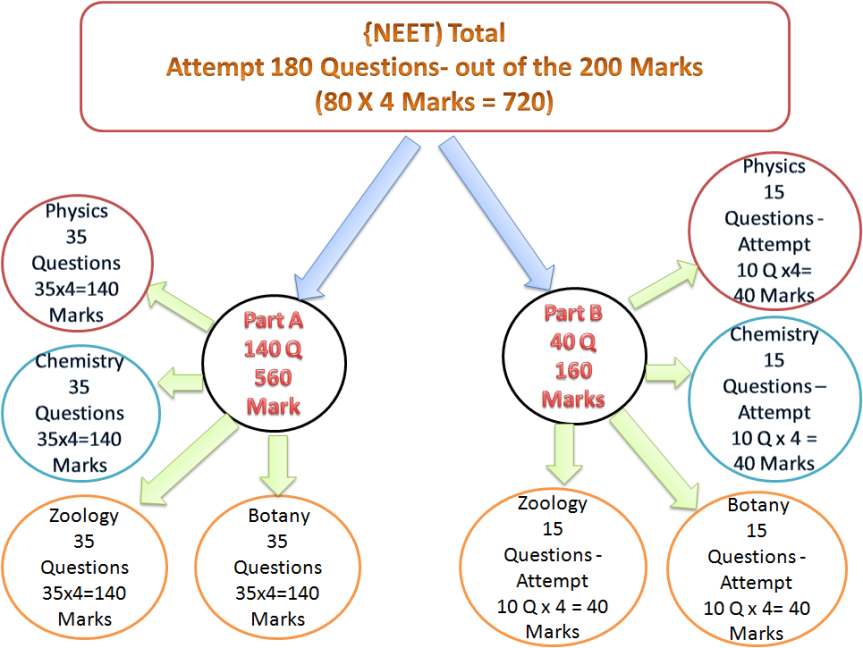
The pattern of question paper of NEET / All India Medical Entrance Examination 2021 has been changed. The details are as follows-
नीट/अखिल भारतीय मेडिकल प्रवेश परीक्षा 2021 के प्रश्न पत्र के पैटर्न में बदलाव किया गया है। विवरण निम्नानुसार हैं-
The Test pattern of NEET (UG)-2021 comprises of two Sections. Each subject will consist of two sections. Section A will consist of 35 Questions and Section B will have 15 questions, out of these 15 Questions, candidates can choose to attempt any 10 Questions. So, the total number of questions and utilization of time will remain the same. The pattern
टेस्ट का पैटर्न:- NEET (UG)-2021 के टेस्ट पैटर्न में दो खंड शामिल हैं। प्रत्येक विषय में दो शामिल होंगे खंड। सेक्शन ए में 35 प्रश्न होंगे और सेक्शन बी में 15 में से 15 प्रश्न होंगे I 15 प्रश्नो में से उम्मीदवार को किसी भी 10 प्रश्नों को करना हैं।अत: कुल प्रश्न संख्या और समय सीमा वही रहेगी l सत्र 2021-22 में प्रवेश के लिए NEET (UG)-2021 परीक्षा का पैटर्न इस प्रकार है:–
Serial Number क्रम संख्या
Subject विषय
Section (s) अनुभाग
Number of question(s) प्रश्नों की संख्या
Marks Each question carries 4 marks (अंक) प्रत्येक सवाल 4 अंक रखता है
Types of questions प्रश्नों के प्रकार
1
Physics
A B
35 15
140 40
MCQ (Multiple Choice Questions). सभी बहुविकल्पी प्रश्न हैं
2
Chemistry
A B
35 15
140 40
-SAME-
3
Zoology
A B
35 15
140 40
-SAME-
4
Botany
A B
35 15
140 40
-SAME-
Note: Correct option marked will be given (4) marks and Incorrect option marked will be minus one (-1) mark. Unattempted/Unanswered Questions will be given no marks.
नोट: चिह्नित सही विकल्प को (4) अंक दिया जाएगा और गलत विकल्प के रूप में चिह्नित किया गया माइनस एक (-1) अंक होगा। अनुत्तरित / अनुत्तरित प्रश्नों को कोई अंक नहीं दिया जाएगा।
The important points to note: I. Each question carries 04 (four) marks and, for each correct answer candidate will get 04 (four) marks. II. For each incorrect answer, 01(one) mark will be deducted from the total score. III. To answer a question, the candidate has to find, for each question, the correct answer/ best option. IV. However, after the process of the challenge of key, if more than one option is found to be correct then all/any one of the multiple correct/best options marked will be given four marks (+4). Any incorrect option marked will be given minus one mark (-1). Unanswered/Unattempted questions will be given no marks.
In case, a question is dropped/ ignored, all candidates will be given four marks (+4) irrespective of the fact whether the question has been attempted or not attempted by the candidate.
ध्यान देने योग्य महत्वपूर्ण बिंदु: I. प्रत्येक प्रश्न में 04 (चार) अंक हैं और प्रत्येक सही उत्तर के लिए उम्मीदवार को 04 (चार) अंक मिलेंगे। द्वितीय. प्रत्येक गलत उत्तर के लिए, कुल अंक से 01 (एक) अंक काट लिया जाएगा। III. एक प्रश्न का उत्तर देने के लिए, उम्मीदवार को प्रत्येक प्रश्न के लिए सही उत्तर/सर्वोत्तम विकल्प खोजना होगा। चतुर्थ। हालाँकि, key की चुनौती की प्रक्रिया के बाद, यदि एक से अधिक विकल्प सही पाए जाते हैं तो सभी/कोई चिह्नित किए गए एकाधिक सही/सर्वोत्तम विकल्पों में से एक को चार अंक (+4) दिए जाएंगे। किसी भी गलत विकल्प को चिह्नित करने पर माइनस एक अंक (-1) दिया जाएगा। अनुत्तरित / अनुत्तरित प्रश्नों को कोई अंक नहीं दिया जाएगा।
यदि कोई प्रश्न छोड़ दिया जाता है / अनदेखा किया जाता है, तो सभी उम्मीदवारों को चार अंक (+4) दिए जाएंगे, इस तथ्य के बावजूद कि उम्मीदवार द्वारा प्रश्न को प्रत्याशी द्वारा किया गया है या नहीं I
Mode of Examination NEET (UG) – 2021 is a Pen & Paper-based Test, to be answered on the specially designed machine gradable OMR sheet using Ball Point Pen. परीक्षा का तरीका NEET (UG) – 2021 एक पेन और पेपर-आधारित टेस्ट है, जिसका उत्तर विशेष रूप से डिज़ाइन किए गए पर दिया जाना हैI बॉल प्वाइंट पेन का उपयोग कर मशीन ग्रेडेबल ओएमआर शीट।
Duration of Test The duration of the test would be three (03) hours. परीक्षण की अवधि परीक्षण की अवधि तीन (03) घंटे होगी।
Medium of the Question Papers: -English Hindi Assamese Bengali Gujarati Malayalam Kannada Marathi Odia Tamil Telugu Urdu Punjabi प्रश्न पत्रों का माध्यम:-अंग्रेजी हिंदी असमिया बंगाली गुजराती मलयालम कन्नड़ मराठी ओडिया तमिल तेलुगु उर्दू पंजाबी
1 Candidates can opt for a Question Paper in any one of the following 13 languages: 2. Option of medium of Question Paper should be carefully chosen while filling in the Application Form. The option once chosen cannot be changed. 3. Candidates opting for English would be provided Test Booklet in English only. 4. Candidates opting for Hindi would be provided with a Bilingual Test Booklet in English and Hindi. 5. Candidates opting for Regional languages would also be provided with a Bilingual Test Booklet in selected Regional language and English. 6. In case of any ambiguity in translation of a question in the test, its English version shall be treated as final and the decision of NTA shall be final in this regard. 7. Option of Regional languages will be available as per the following table only: – 8. Candidates qualifying NEET (UG) – 2021 would be eligible for All India Quota and other quotas under the State Governments/Institutes, irrespective of the medium of the examination, subject to other eligibility criteria.
1. उम्मीदवार निम्नलिखित 13 भाषाओं में से किसी एक में प्रश्न पत्र का विकल्प चुन सकते हैं: 2. प्रश्न पत्र के माध्यम के विकल्प को भरते समय सावधानी से चुना जाना चाहिए आवेदन फार्म। एक बार चुने गए विकल्प को बदला नहीं जा सकता। 3. अंग्रेजी का विकल्प चुनने वाले उम्मीदवारों को केवल अंग्रेजी में टेस्ट बुकलेट प्रदान की जाएगी। 4. हिंदी का विकल्प चुनने वाले उम्मीदवारों को एक द्विभाषी परीक्षण पुस्तिका प्रदान की जाएगी अंग्रेजी और हिंदी। 5. क्षेत्रीय भाषाओं का चयन करने वाले उम्मीदवारों को द्विभाषी भी प्रदान किया जाएगा चयनित क्षेत्रीय भाषा और अंग्रेजी में टेस्ट बुकलेट। 6. परीक्षण में किसी प्रश्न के अनुवाद में किसी भी अस्पष्टता के मामले में, इसका अंग्रेजी संस्करण अंतिम माना जाएगा और इस संबंध में एनटीए का निर्णय अंतिम होगा। 7. क्षेत्रीय भाषाओं का विकल्प निम्न तालिका के अनुसार ही उपलब्ध होगा:- 8 एनईईटी (यूजी) – 2021 क्वालीफाई करने वाले उम्मीदवार अखिल भारतीय कोटा और अन्य के लिए पात्र होंगे I राज्य सरकारों/संस्थानों के तहत कोटा, माध्यम के बावजूद परीक्षा, अन्य पात्रता मानदंडों के अधीन।
First 100 participants of quiz will get certificate if they score is 60% or more. CLICK HERE TO GIVE QUIZ
प्रश्नोत्तरी के पहले 100 प्रतिभागियों को प्रमाण पत्र मिलेगा यदि उनका स्कोर 60% या उससे अधिक है। CLICK HERE FOR QUIZ
Approximate population of world on 10 July 2021- 7,908,880,525 (7.90Billion)
10 जुलाई 2021 को विश्व की अनुमानित जनसंख्या :- 7,908,880,525 ( 7 अरब 90 करोड)
The expected world population in 2030 is, 2030 में विश्व की अपेक्षित जनसंख्या होगी
8 Billion
The expected world population in 2040 is, 2040 में विश्व की अपेक्षित जनसंख्या होगी
9 billion
The expected world population in 2030 is, 2050 में विश्व की अपेक्षित जनसंख्या होगी
10 billion
One person added to world — — in every 0.39 Second संसारमें एक व्यक्ति जोड़ा जाता है। – — प्रत्येक 0.39 सेकंड में
Advertisements
World population day is celebrated to create awareness to control population, family planning, gender equality, poverty, mental health and human right. विश्व जनसंख्या दिवस जनसंख्या नियंत्रण, परिवार नियोजन, लैंगिक समानता, गरीबी, मानसिक स्वास्थ्य और मानव अधिकार के प्रति जागरूकता पैदा करने के लिए मनाया जाता है।
World Population Analysis विश्व जनसंख्या विश्लेषण
Births per Day in the world विश्व में प्रति दिन जन्म
382,865
Deaths per Day in the world विश्व में प्रतिदिन होने वाली मृत्यु
163,925
Net increase in world population per Day प्रति दिन विश्व जनसंख्या में शुद्ध वृद्धि
218,940
424 people in 1 square kilometer in India
1127 people in 1 square kilometer in Baangladesh
Compare the parameters मापदंडों की तुलना
China चीन
India भारत
Pakisan पाकिस्तान
USA अमेरिका
Population जनसंख्या
1.444 Billion 144 Crores
1.393 Billion 139 crores
0.225 Billion ( 22 crores)
0.332 Billion ( 33 Crores)
Population density- Persons per square Kilometre आबादी घनत्व- व्यक्ति प्रति वर्ग किलोमीटर
149
424
255
36
Population Growth rate जनसंख्या विकास दर
0.34%
0.97%
1.95%
0.58
% of World Population विश्व की % आबादी जनसंख्या
18.34%
17.69%
2.86%
4.23%
World Level Rank in Population विश्व स्तरीय जनसंख्या स्थिति
1
2
5
3
Compare the parameters मापदंडों की तुलना
Indonesia इंडोनेशिया
brazil ब्राजील
Bangladesh बांग्लादेश
Russia रूस
Population जनसंख्या
0.276Billion 27 Crores
0.214 Billion 139 crores
0.166 Billion ( 16 crores)
0.145 Billion ( 14 Crores)
Population density- Persons per square Kilometre आबादी घनत्व- व्यक्ति प्रति वर्ग किलोमीटर
145
25
1127
9
Population Growth rate जनसंख्या विकास दर
1.04 %
0.67 %
0.98 %
-0.02
% of World Population विश्व की % आबादी जनसंख्या
3.51 %
2.27 %
2.11 %
1.85 %
World Level Rank in Population विश्व स्तरीय जनसंख्या स्थिति
4
6
8
9
INDIA
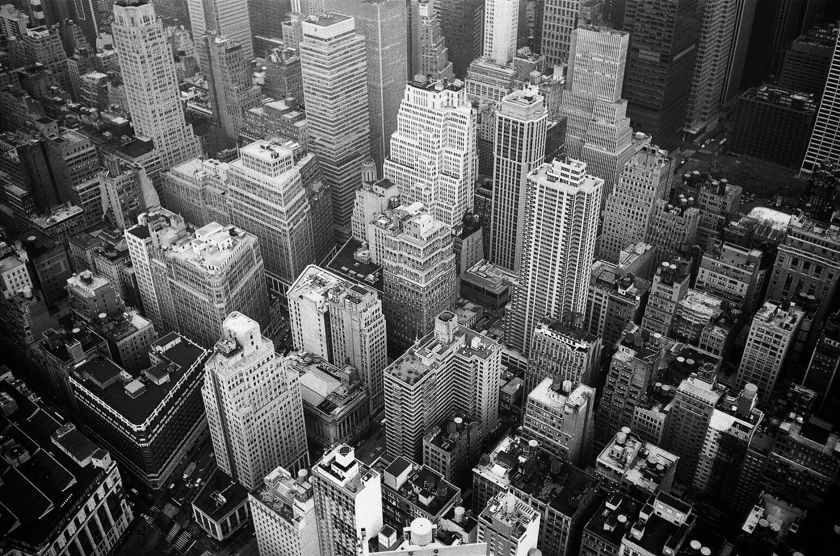
Forest of Concrete replaced real forest, flora and fauna and damaged environment
INCREASING POVERTY AND UNPRODUCTIVE PEOPLE
In 2030, India is expected to be most populous country of the world and in 2060 the population of India will reach its peak of 1.65 billion people. 2030 में सात अरब भारत दुनिया का सबसे अधिक आबादी वाला देश होने की उम्मीद है और 2060 में भारत की जनसंख्या 1.65 अरब लोगों के अपने चरम पर पहुंच जाएगी I
After China and India which have the population more than 1 billion and hold position 1st and 2nd in the world, the next 11 countries are the most populous in the world and each have populations exceeding 100 million. Which are the United States, Indonesia, Brazil, Pakistan, Nigeria, Bangladesh, Russia, Mexico, Japan, Ethiopia, and the Philippines. Of these nations, all are expected to continue to grow except Russia and Japan, which will see their populations drop by 2030 before falling again significantly by 2050. The smallest population in the world can be found in Vatican City, where only 801 people reside.
चीन और भारत के बाद जिनकी आबादी 1 अरब से अधिक है और दुनिया में पहले और दूसरे स्थान पर हैं, अगले 11 देश दुनिया में सबसे अधिक आबादी वाले हैं और प्रत्येक की आबादी 100 मिलियन से अधिक है, जो संयुक्त राज्य अमेरिका, इंडोनेशिया, ब्राजील, पाकिस्तान, नाइजीरिया, बांग्लादेश, रूस, मैक्सिको, जापान, इथियोपिया और फिलीपींस हैं। इन देशों में से, रूस और जापान को छोड़कर सभी के बढ़ने की उम्मीद है, जिन की जनसख्या 2030 तक लगार कम होगी और उसके बाद 2050 तक बहुत अधिक काम होगी। दुनिया में सबसे छोटी आबादी वेटिकन सिटी में पाई जा सकती है, जहां केवल 801 लोग रहते हैं।
Drawbacks of population growth जनसंख्या वृद्धिसे होने वाले नुकसान
Low per capita INCOME
Population reduces the Rate of Capital Formation: -Nearly 40 to 50 per cent of the population is in the non-productive age group which simply consumes and does not produce anything.
Low Per Capita Availability of Essential Articles:- Pulses, food grains, Vegetables , sugar and cloth
A Large Population creates the big Problem of Unemployment:-A fast growth in population means a large number of persons comes to the labour market and for whom it may not be possible to provide employment.
Low Quality of Life which is reflected in the deprivation in knowledge by illiteracy, lacking health services and potable water, moderately or severely underweight children.
Population and endless Circle in Poverty
Burden on Public Utility Services:- Fast increase in population puts a heavy burden on social infrastructure like health care, education, housing (both rural and urban), water supply, sanitation, power, roads, railways, etc.
Adverse Effects on Saving, Investment and Capital Formation:-To feed million-billion need a huge revenue generation.
Burden of Unproductive Consumers:- Mostly they are children below the age of 15 years and old persons who are above the age of 60 years
Environmental Degradation:-Excessive use of natural resources and production of wastes lead to loss of biodiversity, air and water pollution and increased pressure on land, Excessive deforestation led to such water-borne diseases as diarrhea, intestinal worms, hepatitis, etc.
Obstacle to Self Reliance:-The requirement of more food articles in order to meet the needs of increasing millions which cut in export and leads to decrease in foreign currency reserve.
Reducing trend of Agricultural Development:-Big population disturb land-man ratio means per capita availability of land for cultivation decreases.
जनसंख्या वृद्धि से होने वाले नुकसान 1.प्रति व्यक्ति आय में कमी 2.जनसंख्या पूंजी निर्माण की दर को कम करती है: – लगभग 40 से 50 प्रतिशत आबादी अनुत्पादक आयु वर्ग में है जो केवल उपभोग करती है और कुछ भी उत्पादन नहीं करती है। 3.आवश्यक वस्तुओं की प्रति व्यक्ति कम उपलब्धता:- दालें, खाद्यान्न, सब्जियां, चीनी और कपड़ा– 4.बेरोजगारी की बड़ी समस्या -एक बड़ी आबादी पैदा करती है:- जनसंख्या में तेज वृद्धि का मतलब है कि बड़ी संख्या में लोग श्रम बाजार में आते हैं और जिनके लिए रोजगार उपलब्ध कराना संभव नहीं है। 5.जीवन की निम्न गुणवत्ता जो निरक्षरता, स्वास्थ्य सेवाओं और पीने योग्य पानी की कमी, मध्यम या गंभीर रूप से कम वजन वाले बच्चों द्वारा ज्ञान के अभाव में परिलक्षित होती है। 6. गरीब का अंतहीन चक्र 7.सार्वजनिक उपयोगिता सेवाओं पर बोझ:- जनसंख्या में तेजी से वृद्धि स्वास्थ्य देखभाल, शिक्षा, आवास (ग्रामीण और शहरी दोनों), जल आपूर्ति, स्वच्छता, बिजली, सड़क, रेलवे आदि जैसे सामाजिक बुनियादी ढांचे पर भारी बोझ डालती है। 8.बचत, निवेश और पूंजी निर्माण पर प्रतिकूल प्रभाव I मिलियन-अरबों को खिलाने के लिए एक विशाल राजस्व सृजन की आवश्यकता है। 9.अनुत्पादक उपभोक्ताओं का भार:- अधिकतर वे 15 वर्ष से कम आयु के बच्चे और 60 वर्ष से अधिक आयु के वृद्ध व्यक्ति होते हैं। 10.पर्यावरण का ह्रास: प्राकृतिक संसाधनों के अत्यधिक उपयोग और कचरे के उत्पादन से जैव विविधता का नुकसान होता है, वायु और जल प्रदूषण होता है और भूमि पर दबाव बढ़ जाता है, अत्यधिक वनों की कटाई से जल जनित रोग जैसे दस्त, आंतों के कीड़े, हेपेटाइटिस आदि होते हैं। 11.आत्मनिर्भरता में बाधा:- लाखों की बढ़ती हुई जरूरतों को पूरा करने के लिए अधिक खाद्य पदार्थों की आवश्यकता जो निर्यात में कटौती करती है और विदेशी मुद्रा भंडार में कमी की ओर ले जाती है। 12.कृषि विकास की घटती प्रवृत्ति:-बड़ी जनसंख्या भूमि-पुरुष अनुपात को बिगाड़ती है अर्थात प्रति व्यक्ति खेती के लिए भूमि की उपलब्धता कम हो जाती है।






 CHEMIGOD